Can a Period Underwear Manufacturer Produce Sustainable Options?
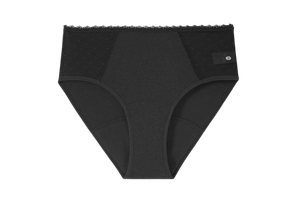
Yes, a specialized period underwear manufacturer can produce verifiable eco-friendly products by integrating OEKO-TEX Standard 100 certified organic textiles, replacing petroleum-derived PUL with plant-based TPU membranes, and eliminating toxic PFAS finishes to reduce lifetime carbon emissions by 68% compared to single-use tampons.
A standard pair of traditional reusable leak-proof underwear relies heavily on synthetic polymers like nylon 6,6, polyester, and petroleum-based polyurethane laminate layers to catch fluids. During the 2024 environmental audit by European textile researchers, typical synthetic-heavy sanitary garments released up to 700,000 microplastic fibers per home laundering cycle into wastewater systems. Transitioning raw input streams toward GOTS-certified organic cotton or FSC-certified wood pulp lyocell significantly curtails synthetic microfiber shedding while cutting agricultural water consumption from 2,700 liters down to 240 liters per kg of fiber processed.
Supply chains adopting closed-loop solvent spinning systems recover 99.8% of organic solvents during lyocell extrusion, reducing toxic chemical effluents down to near-zero levels.
This material transformation allows a forward-thinking period underwear manufacturer to reduce ecological disruption across initial farm-level fiber harvesting stages. Switching to organic natural fibers or closed-loop cellulosics drops carbon intensity per square meter of knitted fabric from 12.4 kg CO2 equivalent down to 3.8 kg CO2 equivalent. Such drastic emissions cuts remain essential as global regulatory frameworks enforce strict compliance standards for textile manufacturing facilities.
In 2025, the European Union implemented mandatory Extended Producer Responsibility regulations requiring garment brands to reduce textile waste disposal volumes by 30% before 2030.
Beyond base fabrics, structural fluid retention depends on functional membranes where chemical safety directly dictates product sustainability. Historical industry practices relied on per- and polyfluoroalkyl substances to grant oil and water repellency, but independent chemical testing in 2023 detected PFAS concentrations exceeding 100 parts per million in over 30% of commercial period pants. Sustainable production methods instead utilize bio-based thermoplastic polyurethane films derived from 45% castor bean oil stock, completely eliminating bioaccumulative fluorocarbons while preserving hydrostatic head pressure resistance above 10,000 mm.
| Functional Component | Legacy Material Composition | Sustainable Alternative | Eco-Impact Metric |
| Absorbent Core | Bleached wood pulp & polyester | GOTS organic cotton terry | 91% water savings in crop growth |
| Barrier Layer | Petroleum polyurethane laminate | 45% bio-based castor oil TPU | 40% reduction in fossil fuel usage |
| Water Repellent | Short-chain PFAS fluoropolymers | Bluesign-approved fluorine-free DWR | Zero persistence in water systems |
| Antimicrobial | Leaching silver nanoparticle spray | Inherent silane quaternary ammonium | 100% reduction in heavy metal wash-off |
Eliminating heavy metal coatings prevents aquatic toxicity issues when consumers wash their garments over a typical three-year functional lifespan. A dedicated period underwear manufacturer focused on green production installs Zero Liquid Discharge wastewater treatment plants to reclaim 95% of industrial water used during fabric dyeing and finishing operations.
Life cycle assessment data from 2022 confirmed that using renewable solar energy in textile knitting mills lowers product carbon footprints by an additional 42%.
These operational upgrades enable manufacturing facilities to minimize energy consumption per unit produced. Modern eco-friendly manufacturing units integrate automated cutting tables that optimize marker efficiency, cutting fabric waste down from the industry average of 15% to under 4%.
Recycling pre-consumer scrap cotton into non-woven absorbent cores diverts over 120 metric tons of textile waste from regional incinerators annually.
This circular loop approach keeps excess fabric out of local waste streams while lowering demand for virgin raw materials. Factories operating under ISO 14001 environmental management standards utilize low-temperature reactive dyes that fix to plant fibers at 40 degrees Celsius instead of 80 degrees Celsius, further conserving thermal energy during large-scale production runs.
Garments engineered with reinforced flatlock stitching endure over 80 machine wash cycles without elastic degradation, replacing roughly 1,200 single-use pads per user.
Long-term product durability remains the primary factor in offset calculations for reusable personal care garments. When specialized producers design products for easy disassembly, consumers can isolate natural absorbency layers from synthetic elastic trims, allowing complete mechanical recycling at the end of garment utility.